Flexible cables.
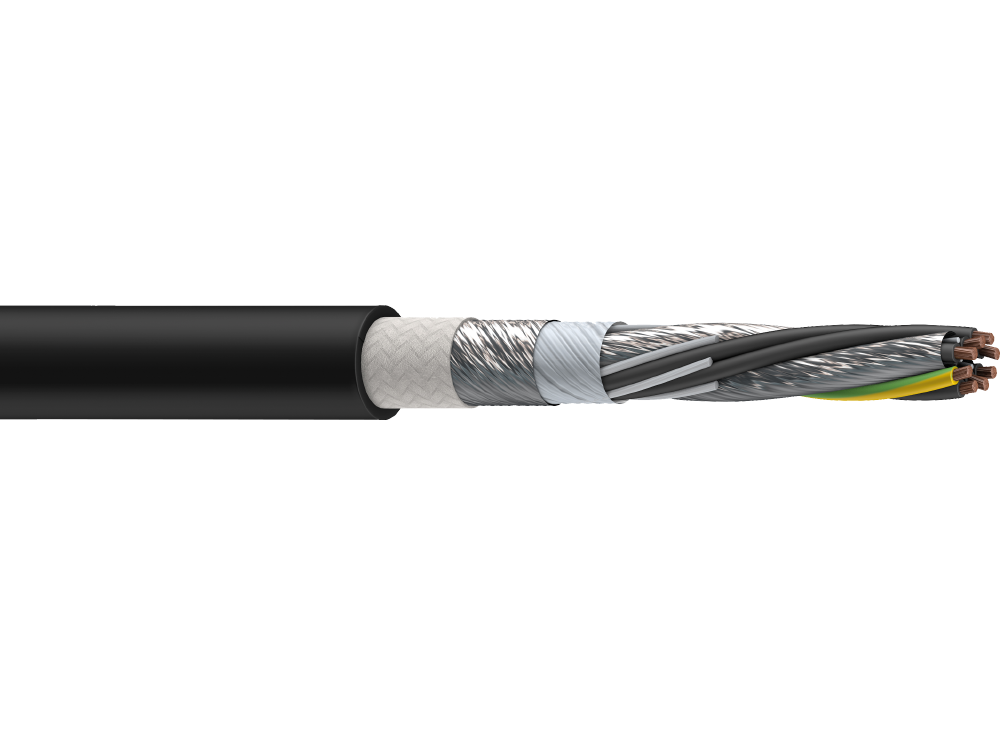
chainflex® cables are unharnessed cables designed for dynamic applications in energy chains and robotics, providing reliable performance with a 4-year guarantee. We offer a wide range of contiuous flex cables, from robot cables, control cables, servo cables and motor cables to bus cables, data cables, encoder cables and fibre optic cables.
As highly flexible industrial cables, they are engineered to withstand demanding repetitive movements while ensuring EMC safety. chainflex® cables comply with a range of standards and approvals, including DNV, UL, CSA, EAC, Interbus, and Profibus, making them suitable for a wide variety of industrial applications.
Available with different jacket materials, these flexible cables for automation are resistant to mechanical stress, wear, oil, chemicals, and extreme temperatures. This combination of flexibility, durability, and environmental resistance ensures reliable operation even in demanding industrial conditions.
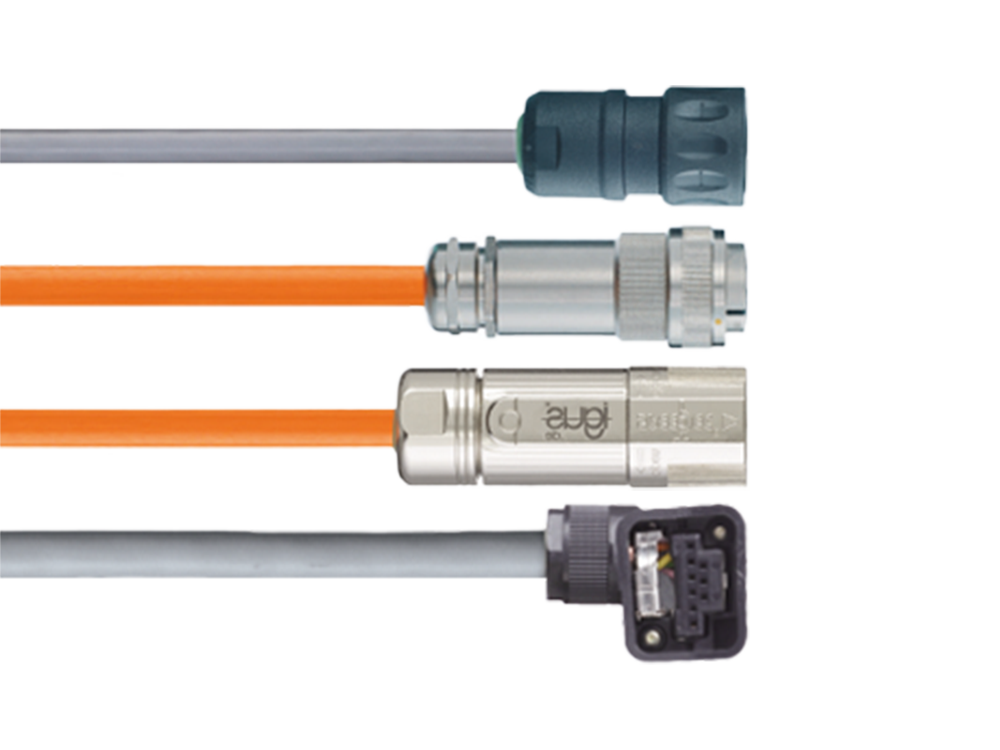
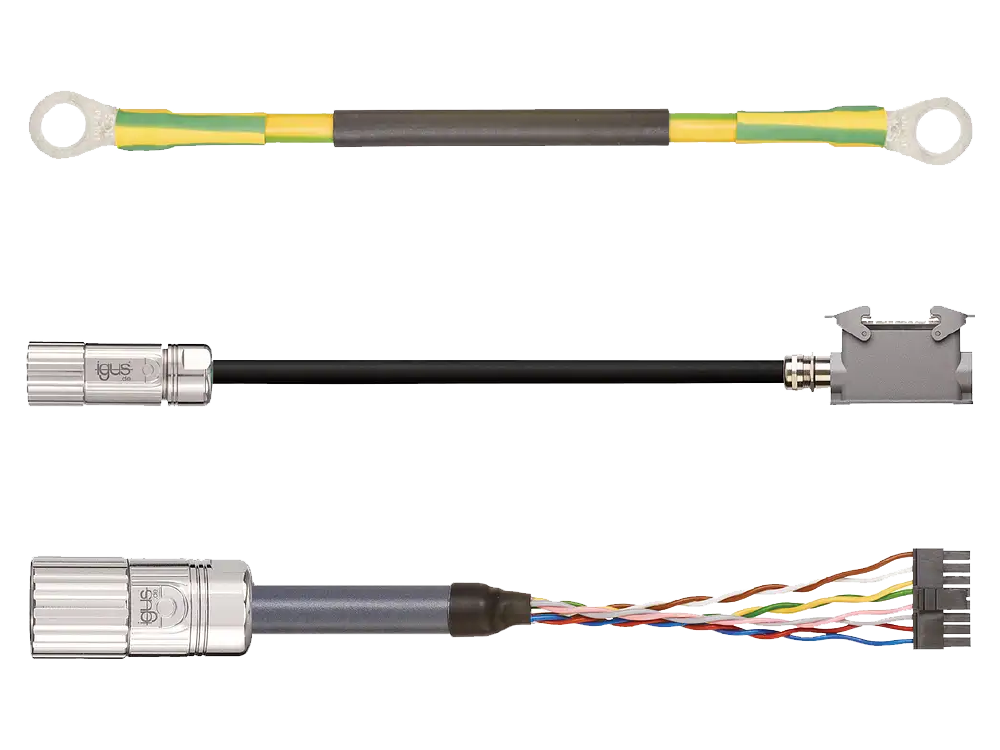
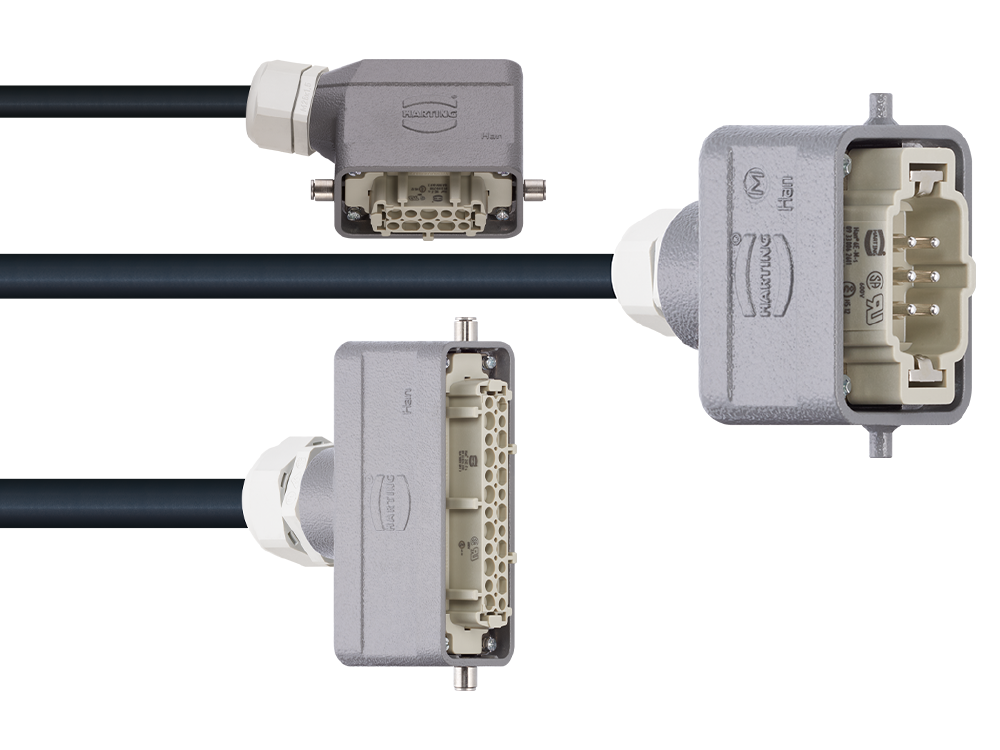
Harnessing cables to your specific requirements or industry standards is one of the core competencies of our supplier, igus. We use highly flexible chainflex cables together with connectors from leading manufacturers such as Harting, Binder, TE Intercontec, and Yamaichi. We also offer custom cable harnessing tailored to your application and requirements, with no minimum order quantity.
Learn more about our cables here.
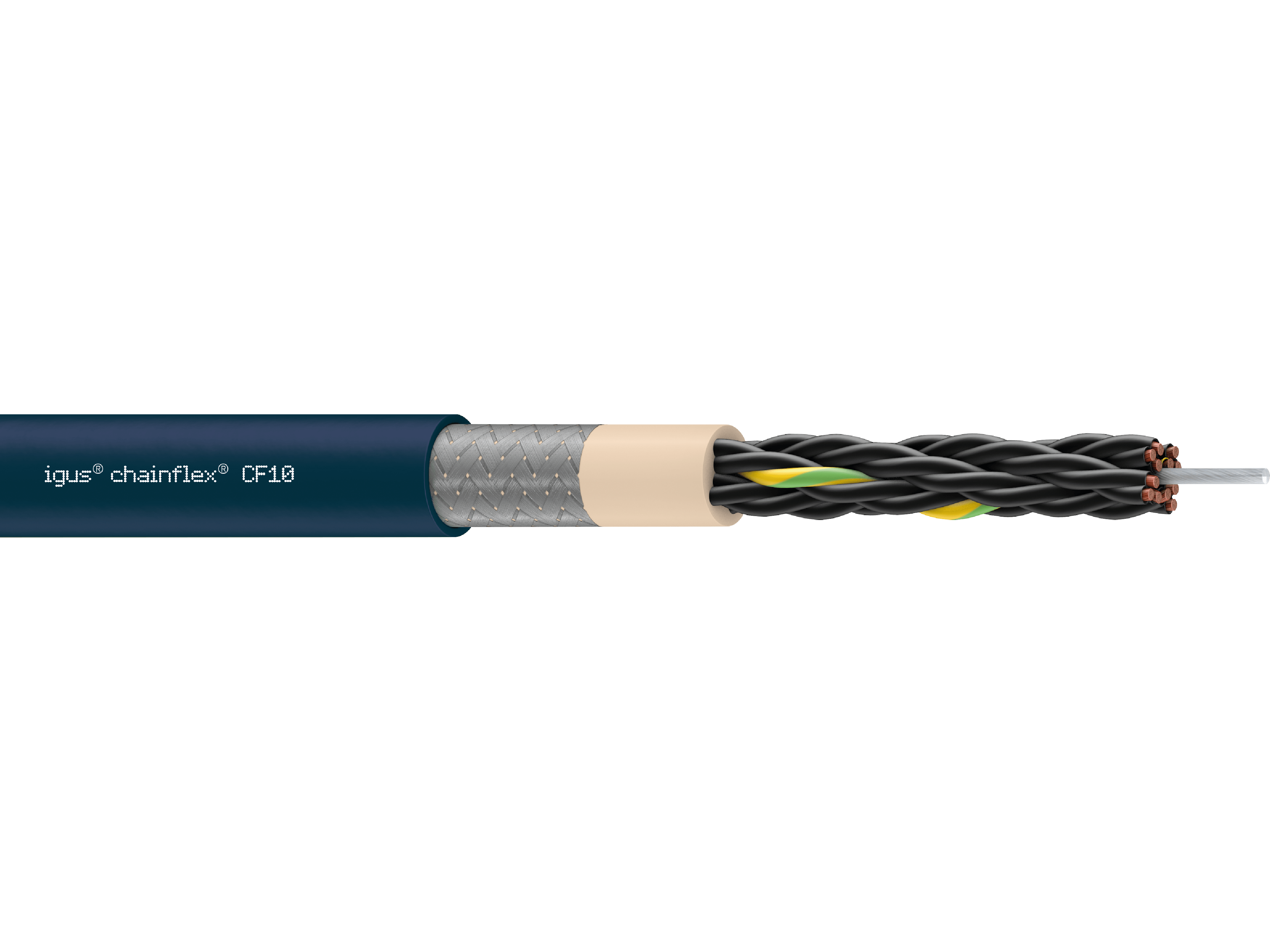
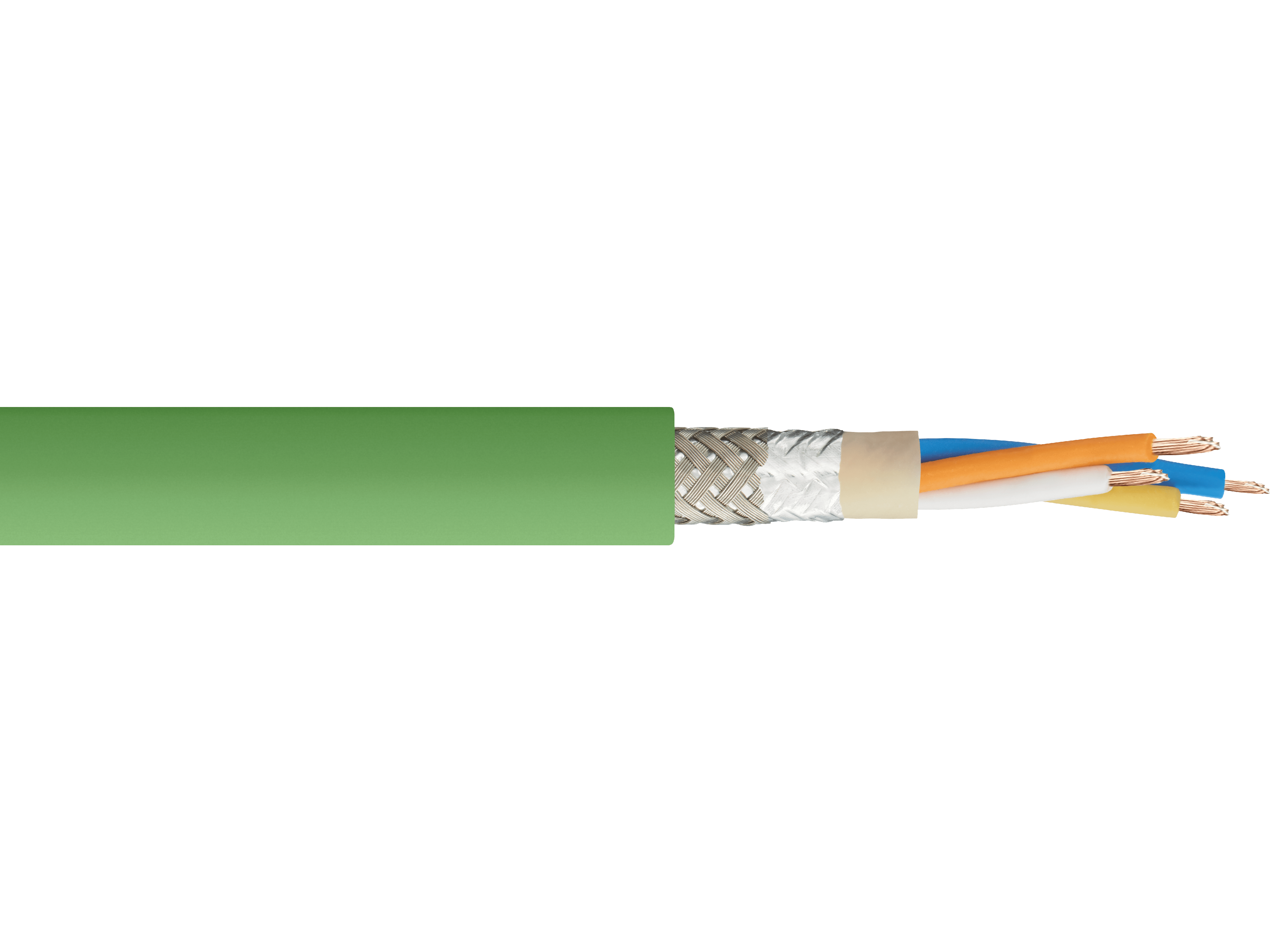
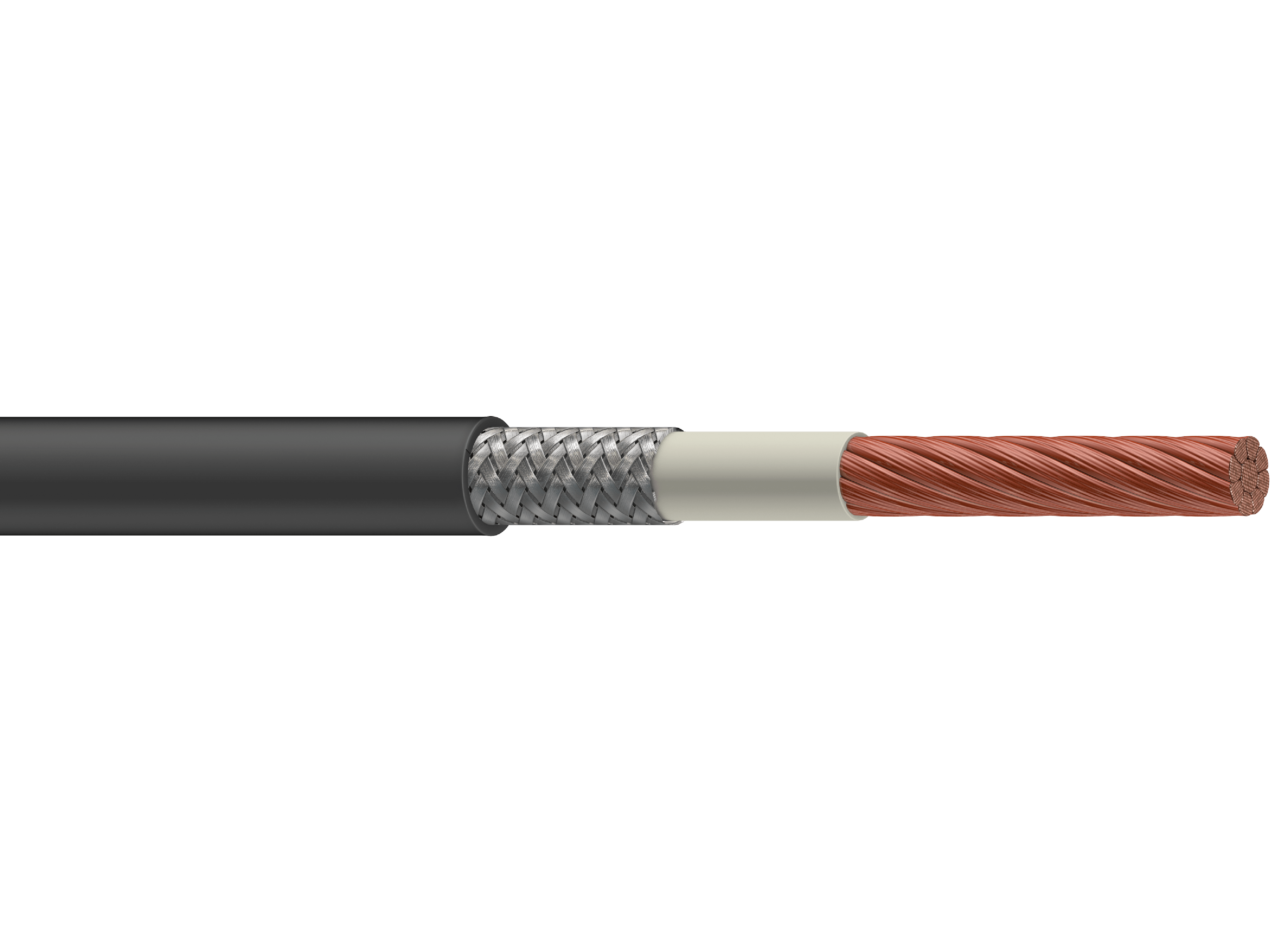
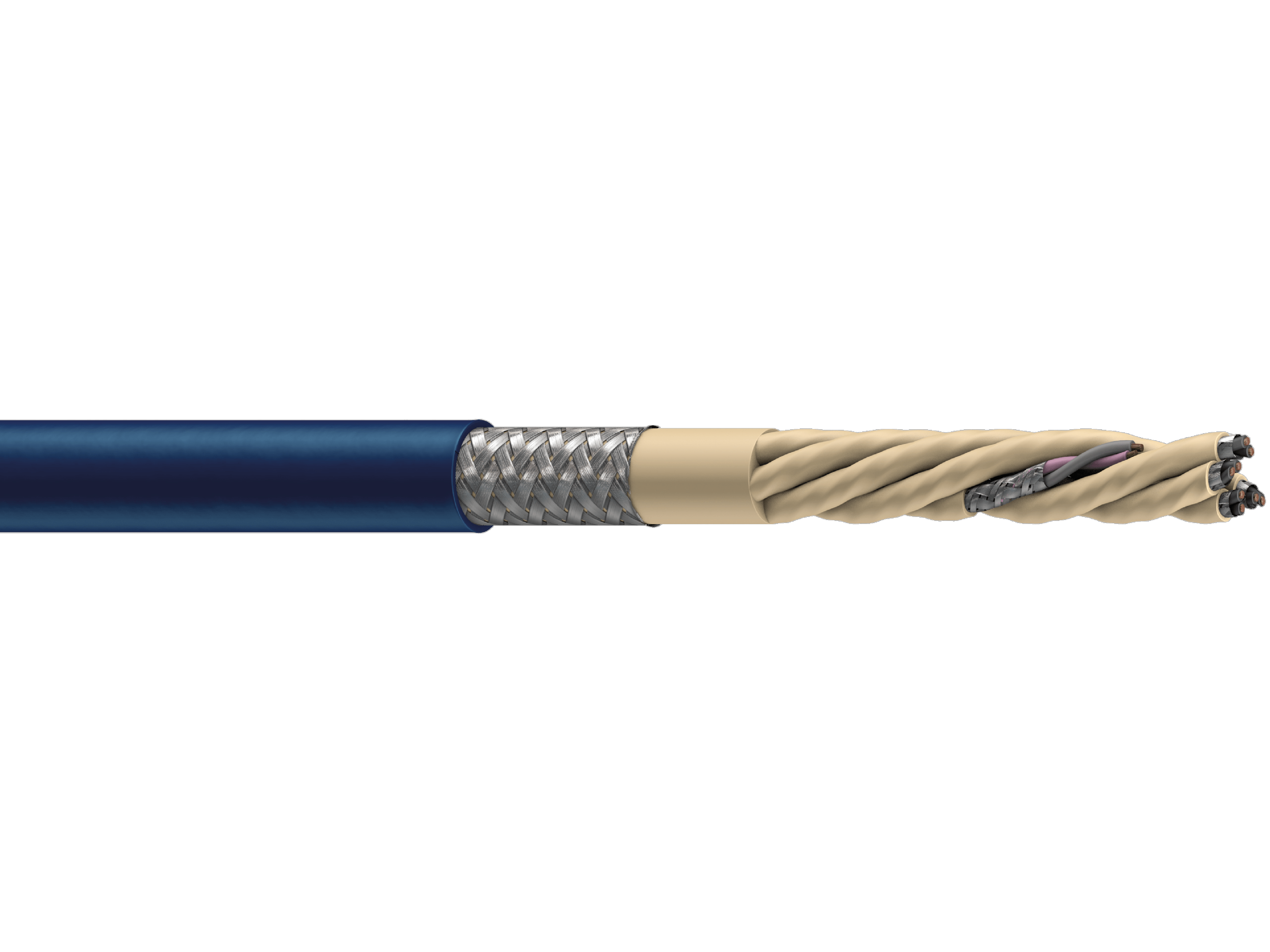
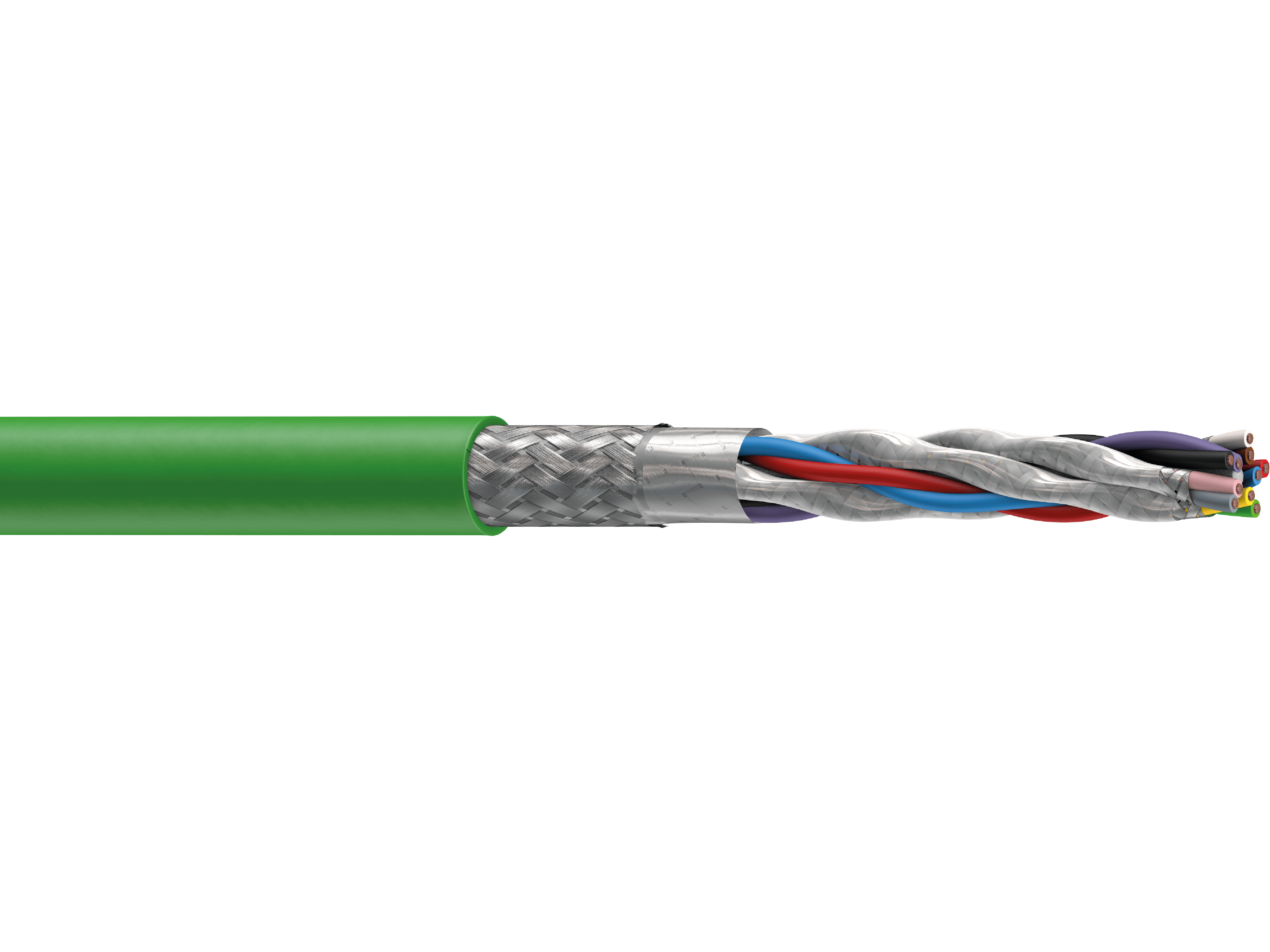
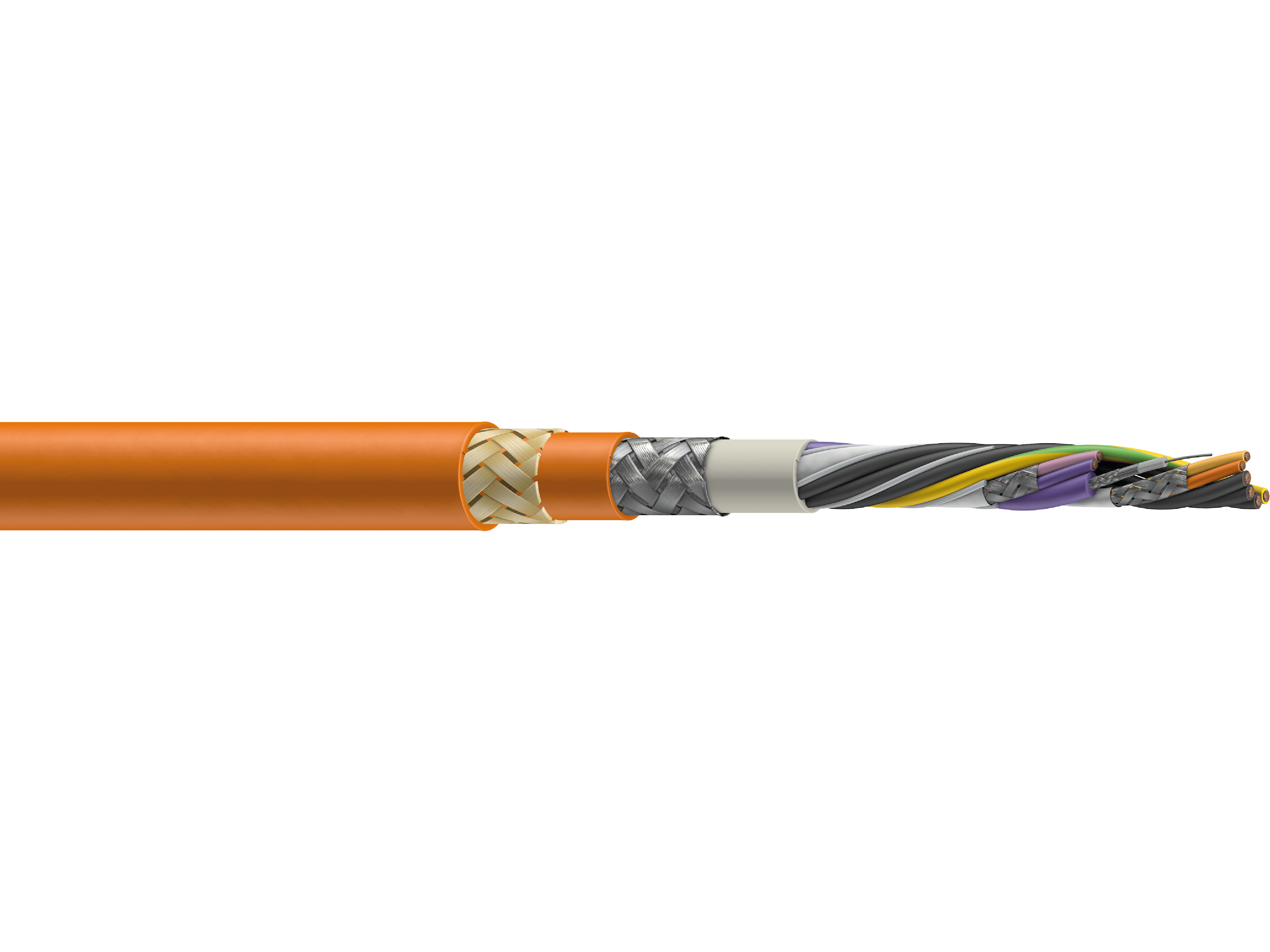
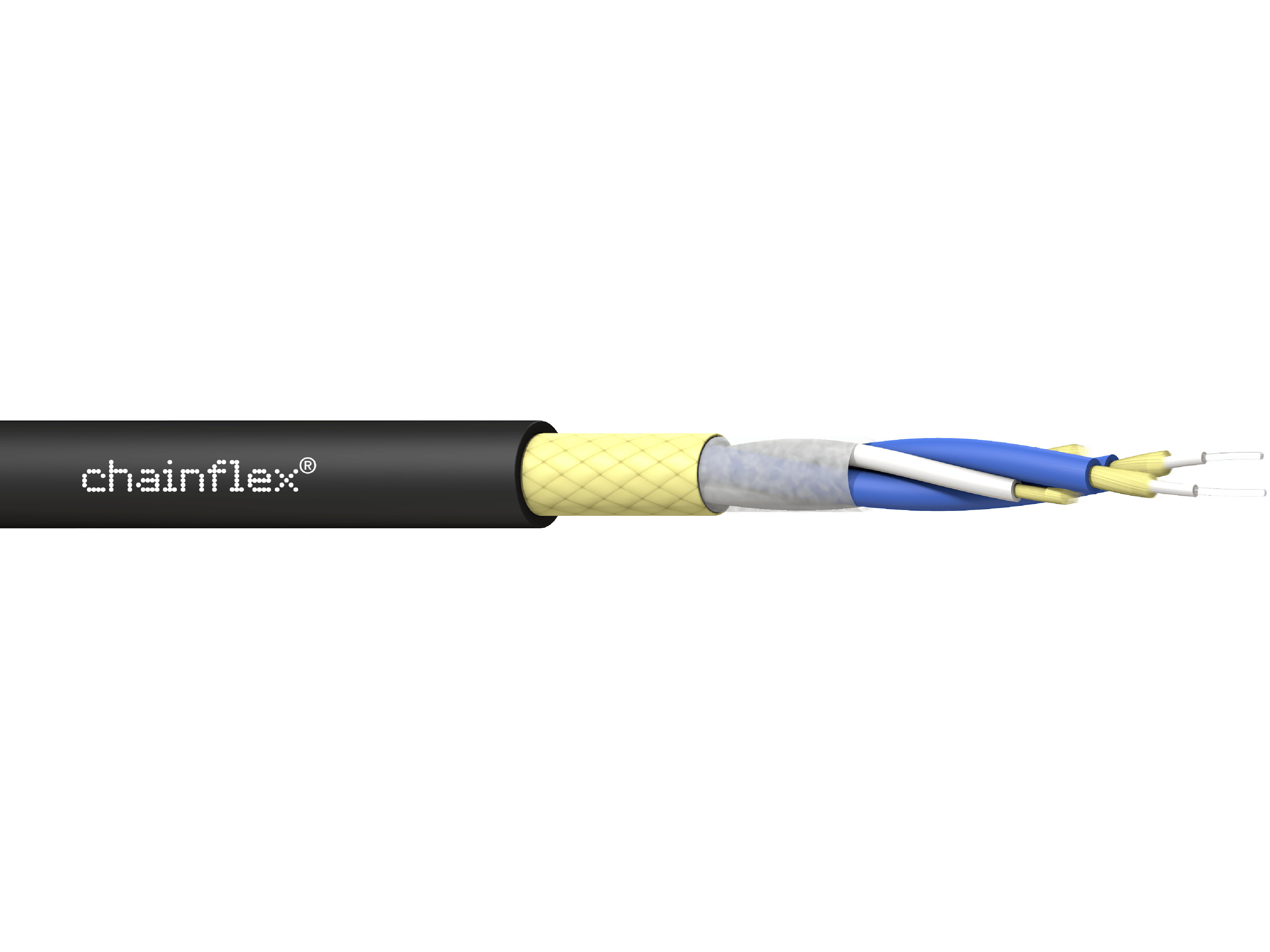

readycable® harnessed cables with connectors


Frequently Asked Questions about Flexible Cables
Here you will find answers to common questions about flexible cables for automation, robotics, drag chains, and continuous motion applications. Learn more about cable flexibility, durability, materials, and performance in demanding industrial environments.
Flexible cables are specially designed cables that can withstand repeated movement, bending, torsion, and dynamic motion in industrial applications. They are commonly used in automation systems, robotics, drag chains, and moving machinery.
Standard cables are mainly designed for fixed installation, while flexible cables are engineered for continuous movement and mechanical stress. Flexible cables use special conductor structures, insulation materials, and outer jackets to achieve longer service life in dynamic applications.
Flexible cables are used in automation, robotics, machine tools, packaging machines, cranes, energy chains, production lines, and industrial equipment where cables are exposed to constant movement.
Drag chain cables are highly flexible cables designed for use inside energy chains and cable carriers. They are built to handle continuous bending cycles, high accelerations, and long travel distances without premature failure.
Robot cables are flexible cables designed for torsional and multi-axis movement in robotic applications. They are optimized for twisting, bending, and continuous motion in robot arms and automated systems.
Flexible cables are commonly manufactured with PVC, PUR, or TPE outer jackets. PUR cables are often preferred for demanding industrial environments because of their resistance to oil, abrasion, chemicals, and mechanical wear.
Yes, many industrial flexible cables are designed to resist oil, coolants, chemicals, UV exposure, abrasion, and harsh operating environments. The resistance level depends on the cable design and jacket material.
The service life of flexible cables depends on factors such as bending radius, travel distance, acceleration, torsion, and environmental conditions. High-quality flexible cables can be tested for millions of movement cycles in drag chain and robotics applications.
Yes, halogen-free flexible cables are available for applications where low smoke emission and improved fire safety are important. Halogen-free cables are often used in public infrastructure, automation, robotics, and enclosed industrial environments.
Choosing the right flexible cable depends on movement type, bending radius, torsion requirements, environmental exposure, temperature range, EMC requirements, and installation conditions. Selecting the correct cable helps improve reliability and reduce downtime.
Still searching? Let us help!
Ethernet cables, internet cable, fo cable, data cables, network cables, hybrid cable, cat5e cable, cable system.
Internettkabel, datakabel, fiberoptisk kabel, fiber optisk kabel, fiberoptiske kabler, video kabel, sensor kabel, aktuator kabel, robot kabel, connector, konnektor
Tell us what you need, or ask any questions you may have. We will answer as quickly as we can.