Linear technology.
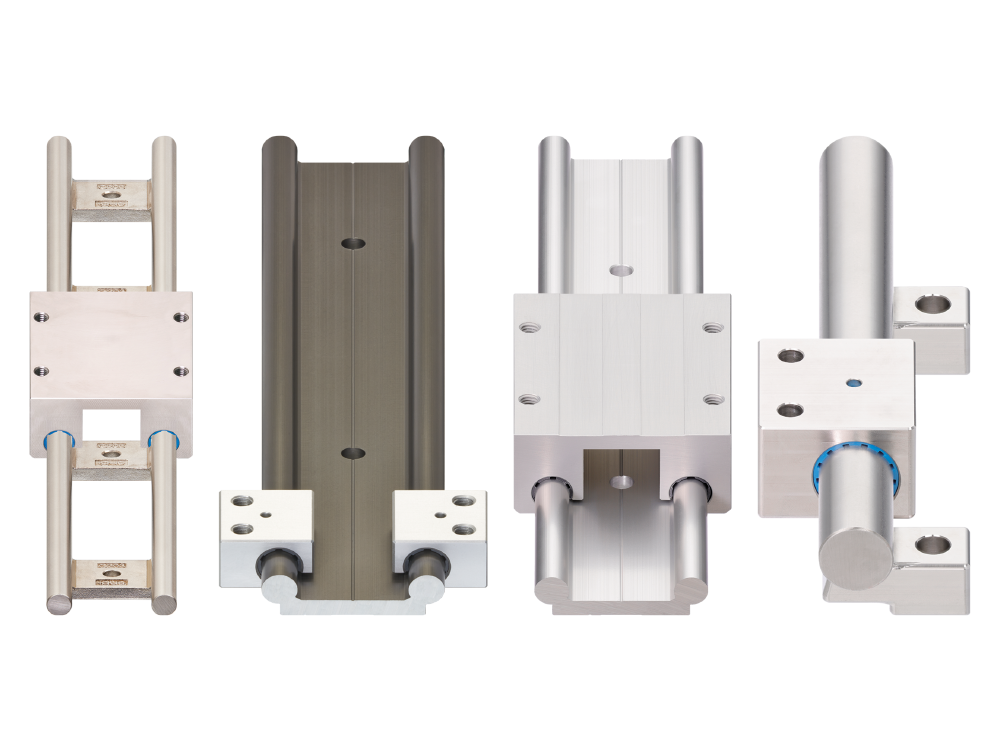
Drylin® linear technology from igus® offers numerous advantages for motion systems. This maintenance-free solution operates without lubrication, ensuring clean and smooth movement while reducing contamination risks, making it ideal for industries like food processing, pharmaceuticals, and packaging. The system’s self-lubricating plastic components are resistant to dirt, dust, and moisture, ensuring long-lasting performance even in harsh environments. Drylin linear systems also provide low-friction, quiet operation and are corrosion-resistant, contributing to increased efficiency and durability. With a lightweight design and easy installation, drylin offers a cost-effective and reliable alternative to traditional linear guides.
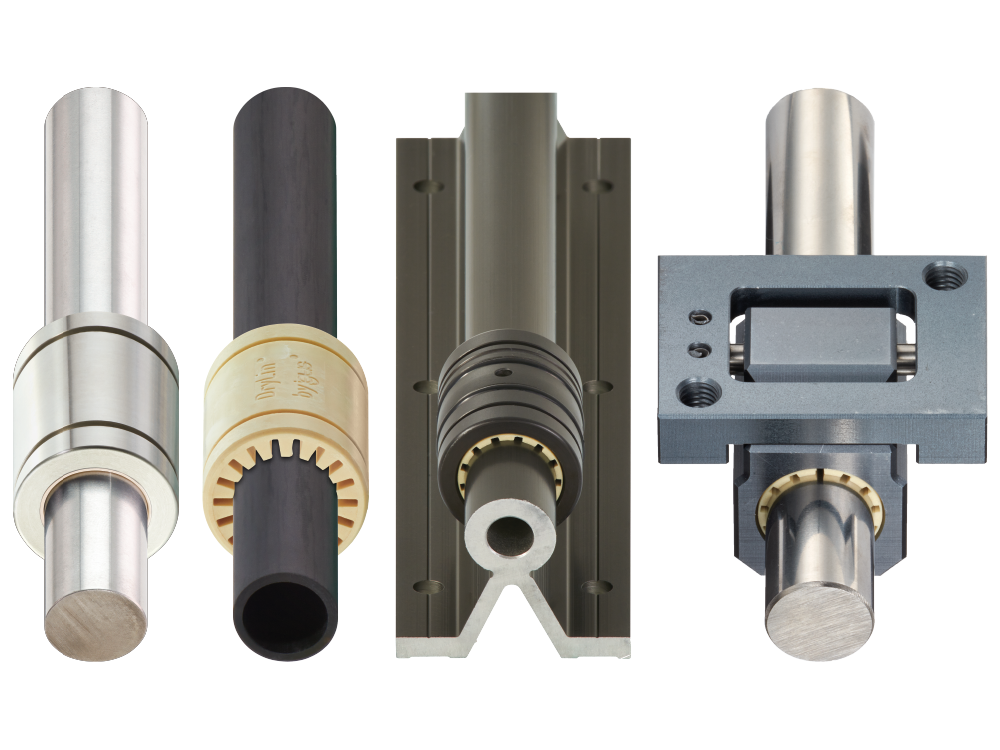
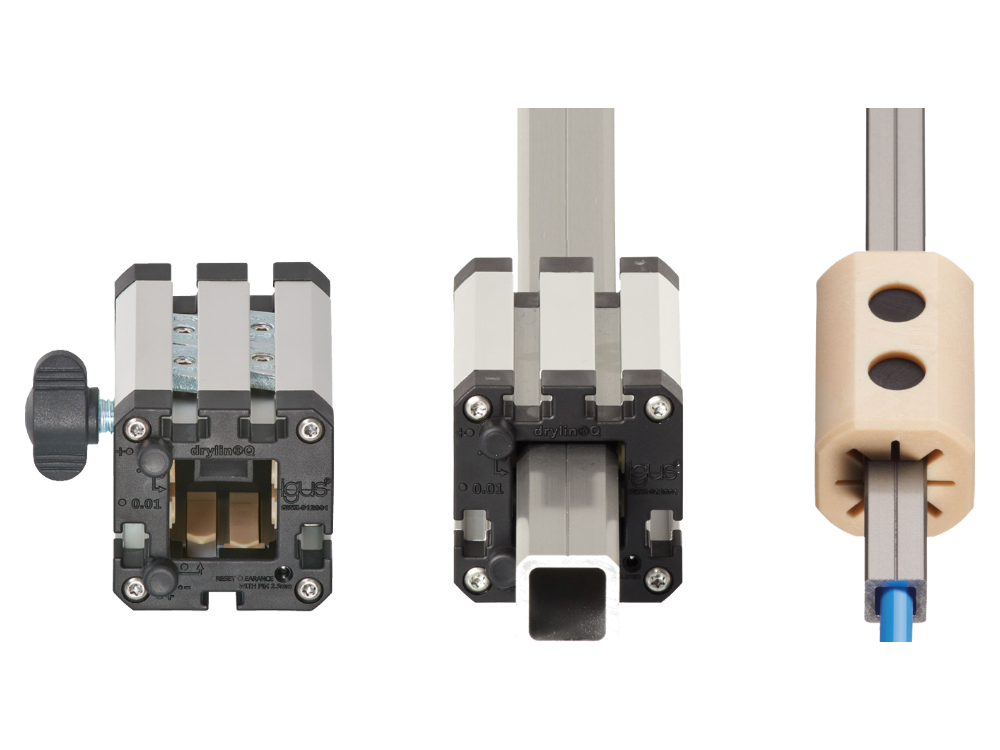
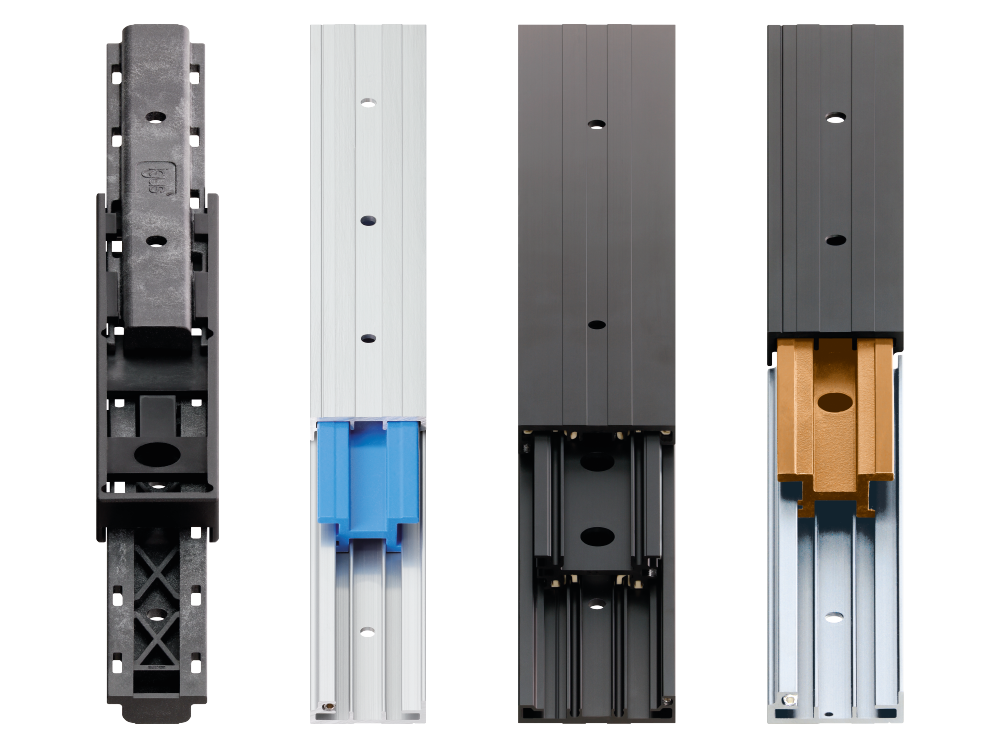
drylin® linear guides
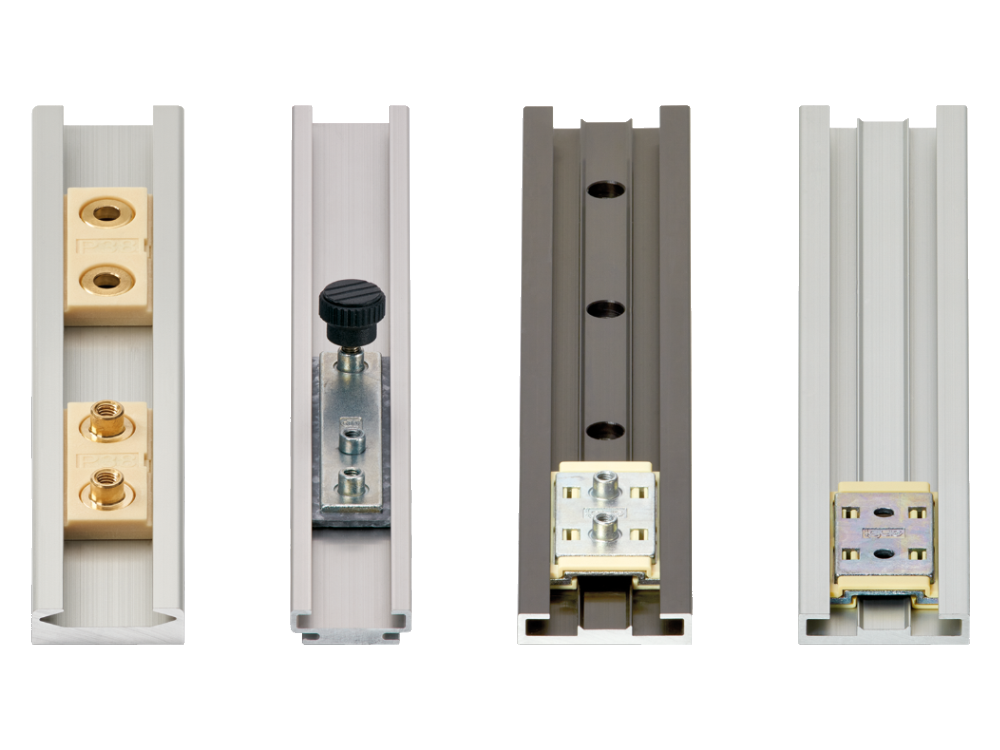
dryspin® lead screw technology
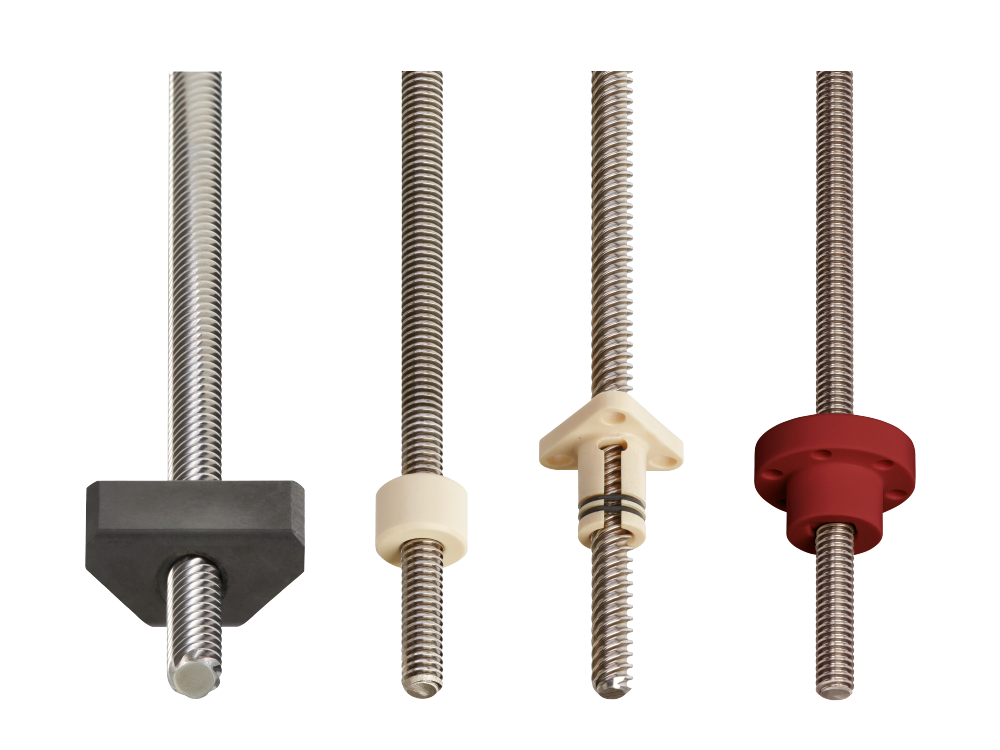
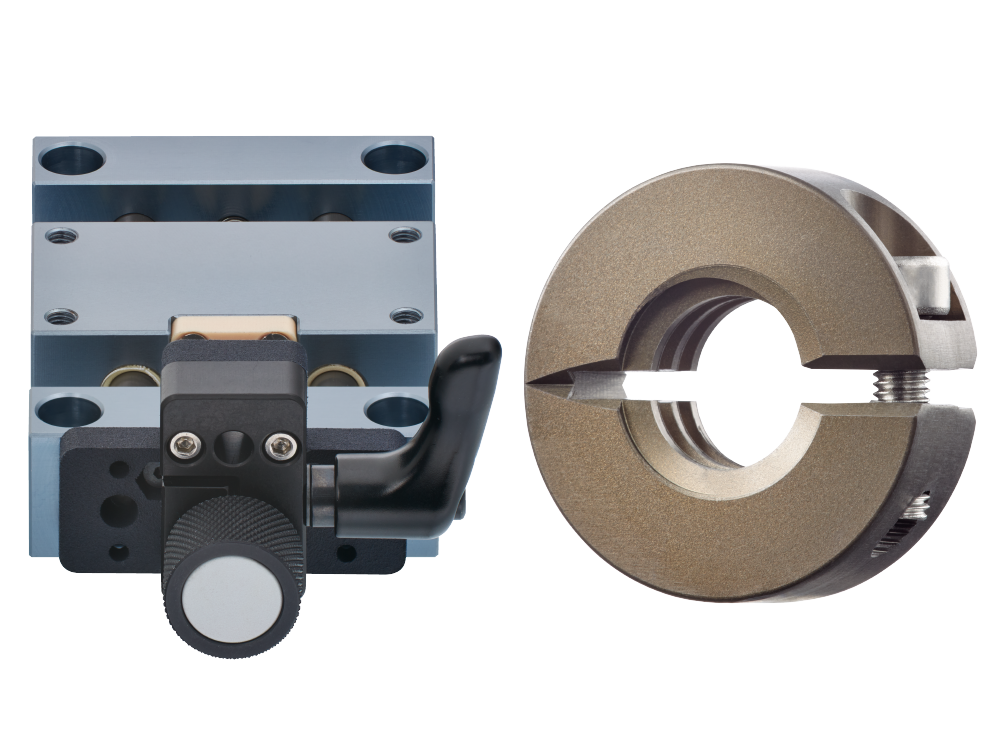
dryspin® accessories
Clamping rings, lead screw clamps, support blocks and more.
drylin® E drive technology
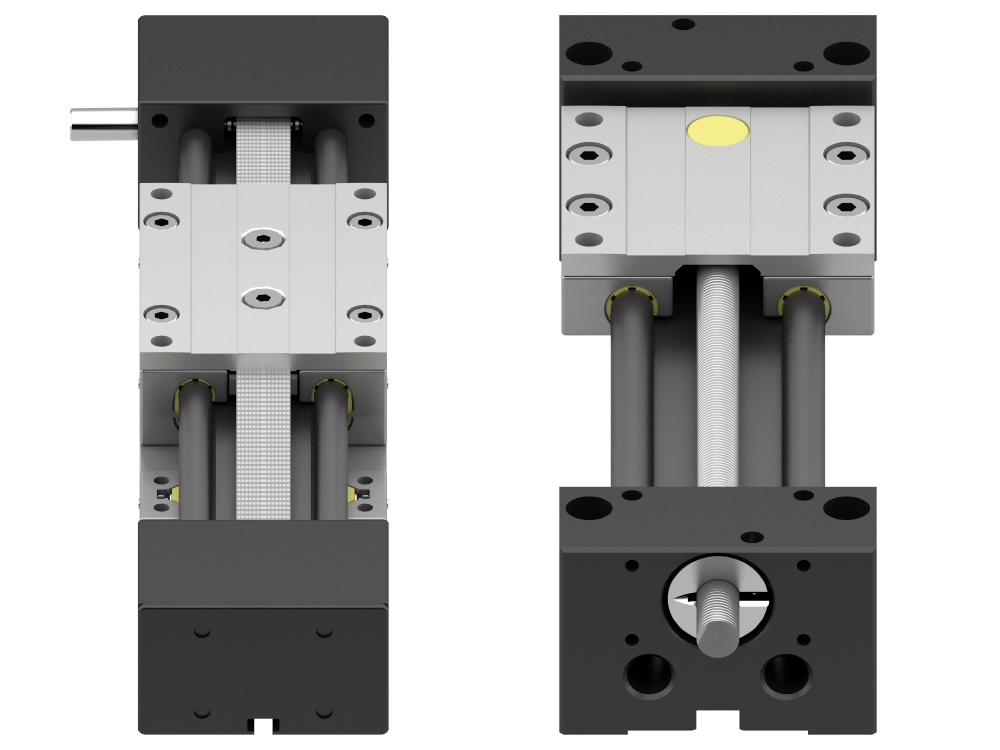
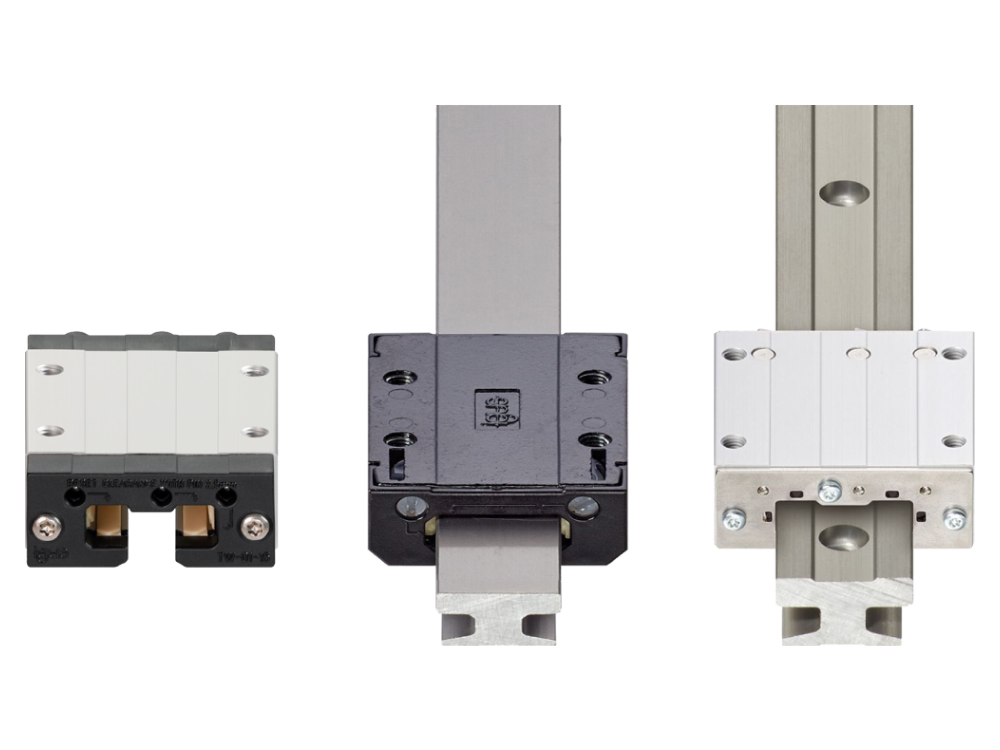
Linear modules
Linear axes driven by lead screws, toothed belts, or gear racks. XY tables for adjustment tasks.
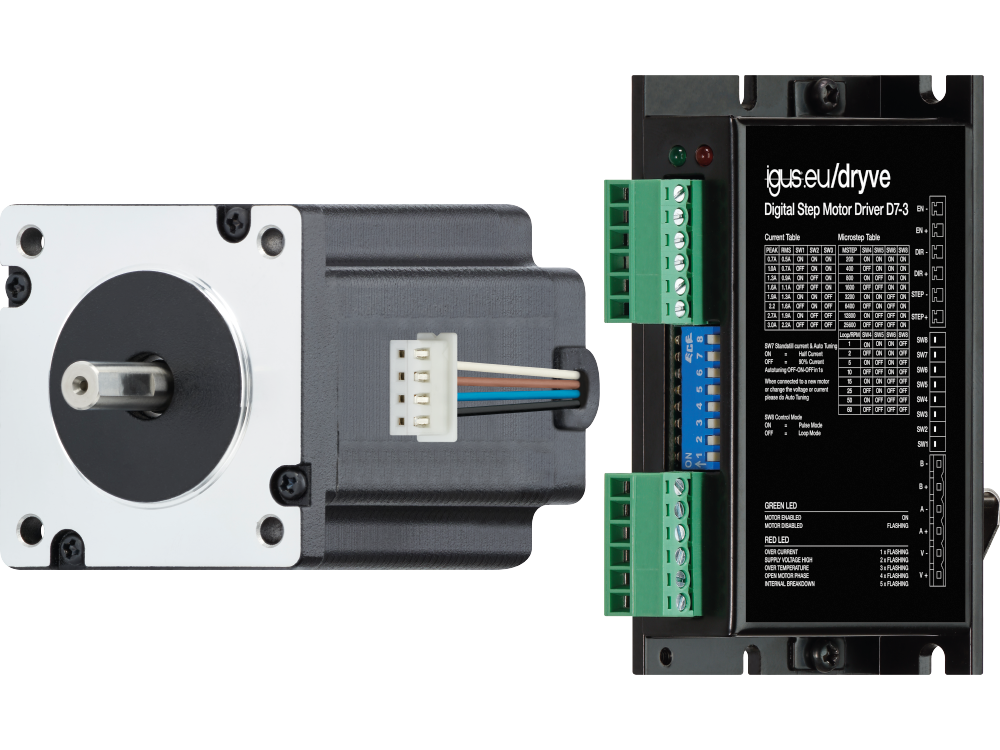
Electric motors and motor control
Stepper, DC, EC/BLDC motors. Encoders, brakes and gearboxes.
Frequently Asked Questions about Linear Technology
Find answers to common questions about linear technology, linear guides, actuators, and motion control systems. Learn more about precision movement, load handling, automation performance, and reliable linear motion solutions for demanding industrial applications.
Linear technology refers to systems and components that create controlled linear movement in industrial applications. Typical products include linear guides, linear actuators, linear bearings, positioning systems, and motion control solutions used in automation and machinery.
Linear technology is widely used in industrial automation, robotics, machine tools, packaging systems, production lines, material handling equipment, medical devices, and precision manufacturing applications.
Linear guides are used to support and guide moving components with high precision and low friction. They help ensure smooth, accurate, and stable movement in machines and automated systems.
Linear guides provide guided motion and support for moving parts, while linear actuators generate the actual movement. Actuators can be driven electrically, pneumatically, or mechanically depending on the application requirements.
Precision is important because even small positioning errors can affect machine performance, product quality, and operational reliability. High-quality linear technology helps improve repeatability, stability, and overall automation efficiency.
The right solution depends on factors such as load capacity, travel distance, positioning accuracy, speed, environmental conditions, installation space, and duty cycle. Proper selection helps maximize performance and service life.
Yes, many linear technology systems are designed for harsh environments involving dust, moisture, vibration, chemicals, or high operating loads. Suitable materials, sealing systems, and lubrication solutions help ensure reliable long-term operation.
Still searching? Let us help!
Linear rails, electric motor, dc motors, bolt and nut, linear guides and rails, rail linear, linear bearings rail.
Glideskinner, lineære føringer, lineærføringer, lineære skinner, skinneføringer, gjengestang, aksler